
Why Combination Laser Treatments Can Transform the Skin
From Leia Madison Stone, Advanced Laser Technician & Licensed Esthetician – LME, CSLT, LSO
When it comes to achieving healthier, smoother, more radiant skin, there is no single laser that can address every concern. Pigmentation, redness, sun damage, fine lines, acne scarring, and uneven texture can all affect the skin differently—and each requires a thoughtful approach.
That’s where advanced laser technology and combination treatments come in. By selecting the right technology for the right concern, we can create a customized treatment plan that addresses multiple layers of the skin to achieve more comprehensive, natural-looking results.
One Skin, Multiple Concerns
One of the biggest misconceptions about laser treatments is that one device can do it all. In reality, different technologies are designed to target different concerns, depths, and structures within the skin.
Some treatments focus on improving discoloration, sun damage, and redness, while others work more deeply to stimulate collagen, refine texture, soften scars, and resurface the skin.
Understanding these differences allows us to move beyond a one-size-fits-all approach and create treatment plans tailored to your skin, your goals, and your lifestyle.
Understanding Your Laser Options
At our practice, we have access to several advanced laser and light-based technologies. Each has a unique purpose, and choosing the right one depends on what we want to accomplish.
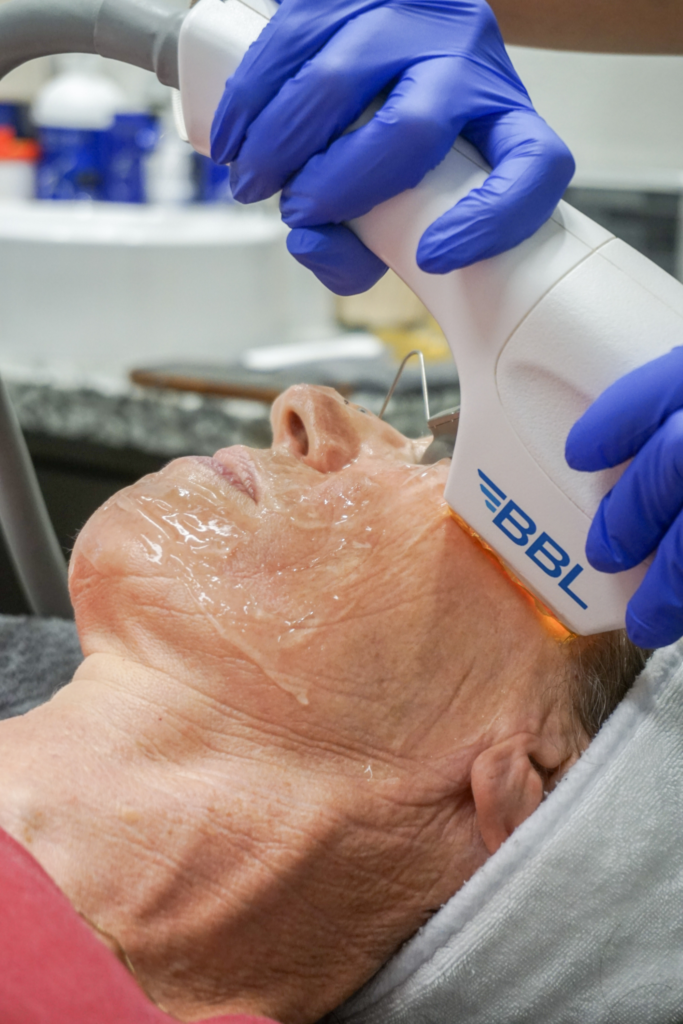
BBL (BroadBand Light): Targeting Pigment, Redness, and Skin Rejuvenation
BBL uses broad-spectrum light to target concerns such as sun spots, uneven pigmentation, visible redness, and certain signs of sun damage. It can help improve overall skin clarity and create a brighter, more even complexion.
BBL is often an excellent option for patients looking to address discoloration and redness without the more intensive downtime associated with deeper resurfacing procedures.
Did you know? Research on broadband light treatments has explored their effects on gene expression associated with skin aging. While this research is exciting, results vary, and no treatment can literally turn back the clock. With an appropriate treatment plan, BBL can help improve visible signs of sun damage and support healthier-looking, more youthful skin over time.
MOXI: Refreshing and Rejuvenating the Skin
MOXI is a gentle, non-ablative fractional laser designed to improve early signs of sun damage, uneven pigmentation, and overall skin tone and texture. It creates controlled microscopic treatment zones while leaving surrounding tissue intact to support healing.
MOXI can be a versatile option for patients interested in preventative skin maintenance, a refreshed complexion, or gradual improvement in skin quality.
For patients with melasma, treatment selection requires additional care. Because melasma can be aggravated by heat and certain light-based procedures, a thorough evaluation is essential before determining whether MOXI is appropriate.
HALO: Addressing Multiple Layers of Skin Damage
HALO is a hybrid fractional laser that combines non-ablative and ablative wavelengths in one treatment. This allows us to target concerns at different depths, including uneven pigmentation, fine lines, enlarged pores, and textural irregularities.
Because HALO combines two approaches to resurfacing, it can be customized to address a range of concerns, with treatment intensity and recovery varying according to the patient’s needs.
ProFractional: Refining Texture and Supporting Collagen Remodeling
ProFractional is an ablative fractional laser that creates microscopic channels in the skin to stimulate the body’s natural healing response and collagen production. It is particularly useful for concerns such as acne scarring, uneven texture, fine lines, and selected deeper textural irregularities.
The depth and intensity of treatment can be adjusted to meet individual goals, making it a valuable option for patients who need more targeted resurfacing.
Contour TRL: Deeper, More Intensive Resurfacing
Contour TRL is an erbium:YAG laser used for ablative skin resurfacing. Depending on the treatment approach, it can address more pronounced wrinkles, rough texture, photodamage, and other visible signs of aging.
Because it removes controlled layers of skin, Contour TRL can offer significant resurfacing benefits but generally requires more recovery than gentler, non-ablative treatments. Treatment depth, location, and intensity are important factors in determining both results and downtime.
No two technologies are interchangeable, and not every patient needs an aggressive treatment. The goal is to select the appropriate level of treatment to achieve meaningful improvement while respecting the skin’s condition and ability to heal.
Why Combine Laser Treatments?
Sometimes, the best results come from using more than one technology as part of a comprehensive treatment plan.
For example, a patient may have sun damage and redness along with acne scarring and uneven texture. A light-based treatment such as BBL may help address discoloration and redness, while a resurfacing treatment such as ProFractional or HALO may target textural concerns and stimulate collagen remodeling.
In other cases, MOXI may be used to support ongoing skin maintenance, while a more intensive resurfacing treatment is reserved for specific concerns that require it.
Combination treatments may be performed during the same appointment when clinically appropriate, or they may be staged over multiple visits to allow the skin to recover and address concerns in a deliberate sequence. The safest and most effective approach depends on the technologies selected, treatment intensity, skin type, medical history, and individual healing response.
More treatments do not automatically mean better results. The key is knowing which treatments complement one another, when to perform them, and when the skin needs time to recover.
How I Choose the Right Treatment for You
My approach always begins with understanding the patient—not simply choosing a laser.
During a consultation, I evaluate the skin’s overall condition, discuss your concerns and desired outcomes, review relevant medical and treatment history, and consider factors such as skin tone, sensitivity, previous procedures, skincare routine, and lifestyle.
I also look at the bigger picture. Are we primarily addressing pigment and redness? Is texture the main concern? Are we working on acne scarring, collagen stimulation, or more advanced signs of aging? Or is there a combination of concerns that calls for a layered approach?
From there, I develop a customized treatment plan that considers which technology is most appropriate, how aggressively we should treat, whether treatments should be combined or staged, and what recovery will realistically look like.
My philosophy is that education is an essential part of every treatment. When you understand why we are choosing a particular technology and what it is designed to accomplish, you can feel more confident and informed throughout your skin journey.
What Should You Expect for Downtime?
Downtime varies significantly depending on the technology, treatment settings, treatment area, and your individual healing response. The following are general estimates, and your recovery may look different depending on your personalized treatment plan.
- BBL: Temporary redness and warmth may occur, and pigmented spots can temporarily darken before gradually fading. Visible recovery is often minimal, but it varies by treatment intensity.
- MOXI: Redness and a rough, sandpaper-like texture commonly develop for several days as the skin heals. These effects often resolve within approximately 5–7 days.
- HALO: Redness, swelling, bronzing, and temporary roughness are common. The tiny pigmented spots known as MENDS (microscopic epidermal necrotic debris) typically shed over approximately 5–10 days, depending on treatment intensity.
- ProFractional: Redness, swelling, pinpoint bleeding, and a temporary rough or bronzed appearance may occur. Initial recovery may take approximately 5–14 days or longer, depending on treatment depth and intensity.
- Contour TRL: More intensive resurfacing can involve significant redness, swelling, peeling, and a longer healing period. Recovery depends heavily on the depth and extent of treatment, and careful wound care and follow-up are essential.
These timeframes describe general recovery expectations rather than guaranteed healing dates. Residual redness can persist after the initial recovery period, particularly following more intensive resurfacing.
Before treatment, we will discuss what to expect, how to care for your skin, when to resume skincare products and makeup, and which activities to avoid during recovery. Following your pre- and post-treatment instructions is just as important as selecting the right procedure.
Why Fall and Winter Are Ideal Times to Start
Fall and winter are popular seasons for laser treatments for good reason. Many patients spend less time in direct sunlight during these months, making it easier to follow the sun-avoidance and sun-protection precautions required after treatment.
Beginning a treatment plan in the cooler months can also allow time to complete a series of treatments, recover between appointments, and gradually improve skin quality ahead of spring and summer.
However, laser treatments are not automatically appropriate simply because it is winter. Daily sun protection, careful aftercare, and appropriate patient selection remain essential throughout the year. Your skin type, recent sun exposure, and individual risk factors will help determine the best timing.
Your Skin Deserves a Plan, Not a Guess
Beautiful skin is rarely the result of a single appointment or a one-size-fits-all treatment. Meaningful improvement often comes from understanding your skin, choosing the right technology, and consistently following a plan designed around your goals.
Whether you are beginning your laser journey, addressing years of sun damage, improving acne scarring, or maintaining the results you have already achieved, the first step is a comprehensive consultation.
Together, we can determine which treatments make sense for your skin, establish realistic expectations, and create a plan that prioritizes both safety and results.
Ready to discover what your skin can achieve?
Schedule a consultation with me to discuss your concerns and build a personalized laser treatment plan. Your best skin starts with the right approach.
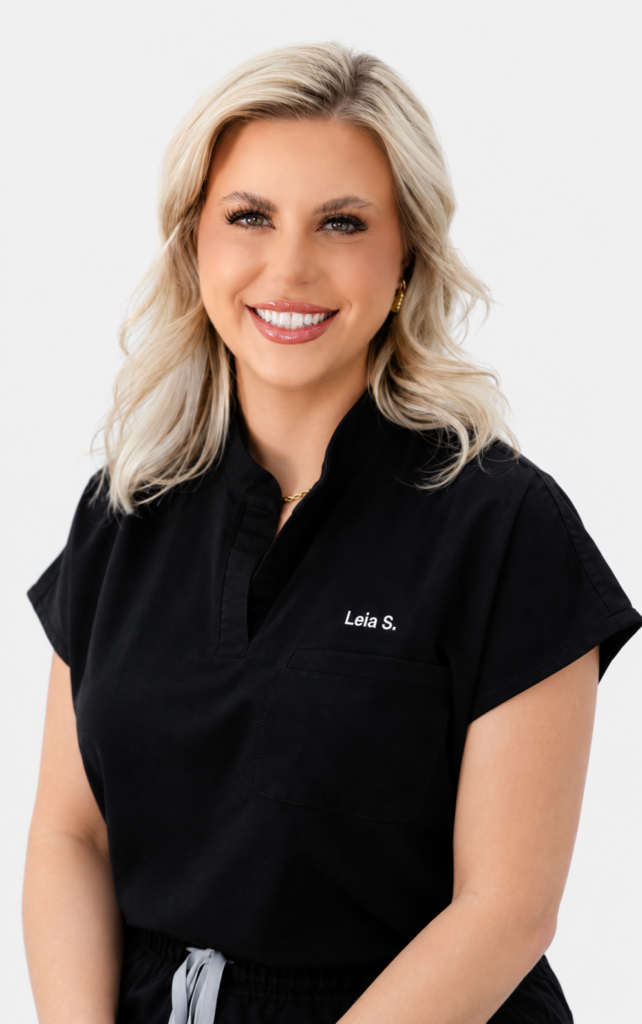
—Leia Madison Stone, Advanced Laser Technician & Licensed Esthetician at MSFM
Hi, this is a comment.
To get started with moderating, editing, and deleting comments, please visit the Comments screen in the dashboard.
Commenter avatars come from Gravatar.